
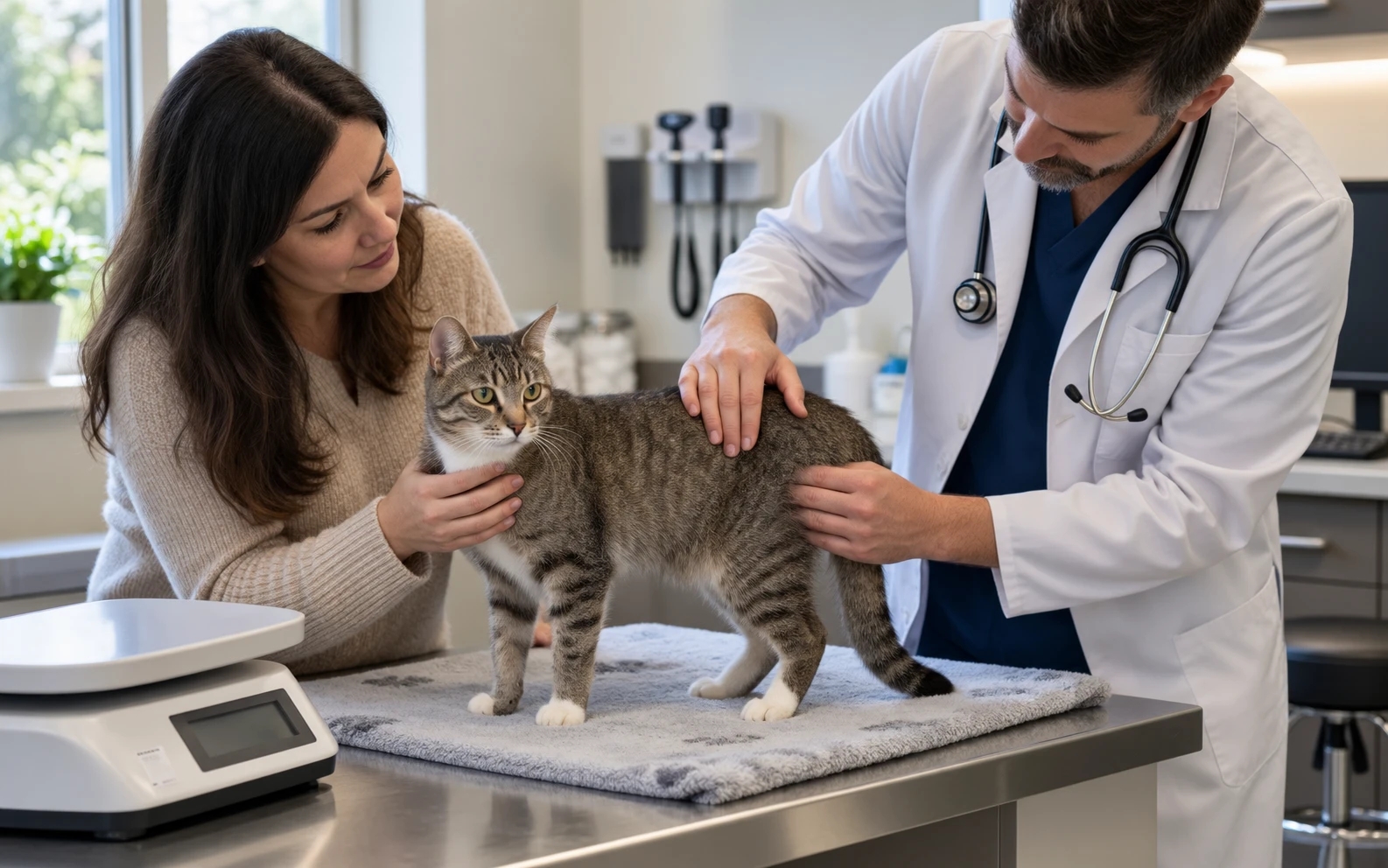
Why Is My Pet Losing Weight? An Internal Medicine Perspective
Your pet is eating normally, following the same routine, and may even seem perfectly happy yet the number on the scale keeps dropping. Unexplained weight loss in pets should not automatically be dismissed as normal aging, stress, or a temporary appetite change.
Sometimes, gradual weight loss is one of the earliest visible clues that something is happening internally. From a veterinary internal medicine perspective, weight loss is not a disease itself. It is a clinical sign that needs to be considered alongside appetite, thirst, digestion, activity level, muscle condition, medical history, and other symptoms.
What Counts as Unexplained Weight Loss in Pets?
Minor fluctuations in body weight can occur naturally. Concern increases when a dog or cat continues losing weight without an intentional change in diet, calorie intake, or activity. The percentage of weight lost also matters.
For example, a one-pound loss may not sound significant, but for a 10-pound cat, that represents 10% of its total body weight. Veterinary teams may evaluate both body condition score and muscle condition score, because a pet can lose muscle even when changes on the scale initially appear modest.
What Causes Unexplained Weight Loss in Pets?
There is no single explanation for unexplained weight loss in pets. The underlying cause can range from changes in calorie intake to digestive, metabolic, endocrine, kidney, dental, infectious, or systemic disease.
Gastrointestinal Problems
Chronic gastrointestinal disorders can interfere with digestion or nutrient absorption. A pet may continue eating while its body is unable to use nutrients efficiently.
Possible accompanying signs include:
- Vomiting or regurgitation
- Chronic or intermittent diarrhea
- Changes in stool consistency
- Reduced appetite
- Increased appetite in some conditions
- Abdominal discomfort
- Loss of muscle mass
Endocrine and Metabolic Disorders
Hormonal and metabolic diseases are important considerations when investigating causes of weight loss in pets. For example, hyperthyroidism can cause weight loss despite a strong appetite in cats. Diabetes mellitus can also be associated with weight loss along with increased thirst, urination, and sometimes increased hunger. A pet losing weight but eating normally or even eating more than usual still deserves attention.
Kidney and Other Organ Diseases
Chronic kidney disease can contribute to weight and muscle loss, particularly in older pets. Liver disease and other systemic illnesses may also affect appetite, metabolism, digestion, and the body's ability to maintain healthy tissue. Some conditions develop gradually, which means physical changes may become noticeable before dramatic behavioral symptoms appear.
Dental and Oral Health Problems
Sometimes the problem is not internal metabolism but the physical ability to eat comfortably. Dental disease, fractured teeth, oral inflammation, or other painful conditions can cause pets to eat less, chew differently, drop food, or avoid harder foods.
Why Is My Pet Losing Weight Even Though They Are Eating Normally?
This is one of the most important questions for pet owners because normal appetite does not always equal normal health. If calories are entering the body but weight continues to fall, veterinarians may investigate whether nutrients are being properly digested, absorbed, and utilized.
For example, a cat with an endocrine disorder may eat enthusiastically but still lose weight. A dog with a chronic gastrointestinal problem may consume an apparently adequate diet while absorbing nutrients inefficiently. This is why appetite is only one piece of the diagnostic puzzle.
What Diseases Cause Unexplained Weight Loss in Dogs and Cats?
Potential causes vary significantly depending on the pet's age, species, symptoms, medical history, diet, and physical examination findings.
Veterinarians may consider conditions involving:
- Gastrointestinal disease
- Kidney disease
- Liver disease
- Diabetes mellitus
- Hyperthyroidism in cats
- Pancreatic disorders
- Chronic infections or inflammation
- Dental or oral disease
- Parasites
- Certain cancers
- Other metabolic or systemic disorders
Weight loss alone cannot identify which condition is responsible. Veterinary diagnostics are used to narrow down the possibilities rather than relying on symptoms alone.
How Veterinary Diagnostics for Weight Loss May Help
When evaluating unexplained weight loss, a veterinarian usually begins with a detailed history and complete physical examination. To understand more about how modern diagnostic technology helps detect pet health problems early, it helps to know what these tools can reveal.
Depending on the findings, veterinary diagnostics for weight loss may include:
- Complete blood count (CBC) and blood chemistry testing
- Urinalysis
- Fecal or parasite testing
- Thyroid or other hormone testing
- Blood glucose testing
- X-rays
- Abdominal ultrasound
- Additional specialized laboratory tests
Not every pet needs every test. The diagnostic plan should be individualized according to the pet's clinical signs and initial examination findings.
Why Internal Medicine for Pets Can Be Important
Some cases are straightforward, while others involve multiple body systems or symptoms that do not immediately point toward one diagnosis. Internal medicine for pets focuses on investigating diseases involving internal organs and complex medical conditions. loodwork, urinalysis, diagnostic imaging, and other targeted tests can help veterinarians build a clearer picture of what is happening inside the body.
When Should I Take My Pet to the Vet for Unexplained Weight Loss?
One isolated weight measurement may not tell the whole story, but persistent or noticeable unintended weight loss deserves veterinary attention.
Consider arranging an examination sooner if weight loss occurs alongside:
- Increased thirst or urination
- Vomiting or diarrhea
- Major appetite changes
- Difficulty eating or chewing
- Weakness or lethargy
- Reduced activity
- Muscle loss
- Changes in stool or urination
- A swollen or painful abdomen
- Persistent coughing or breathing changes
Rapid or substantial weight loss, severe weakness, repeated vomiting, breathing difficulty, collapse, or other significant symptoms may require more urgent veterinary evaluation.
What Pet Owners Can Track at Home
Pets are also skilled at hiding illness, which is part of why subtle signs of being unwell are so easy to miss. Good observations can give your veterinarian valuable context.
Keep notes on your pet's:
- Weight changes over time
- Daily appetite and food intake
- Water consumption
- Urination habits
- Vomiting or diarrhea
- Stool changes
- Activity and energy
- New medications or supplements
- Changes in diet or treats
For example, saying "my cat has lost 1.2 pounds over three months while eating the same measured portion each day" provides more useful information than simply reporting that the cat "looks thinner."
The Key Takeaway
Unexplained weight loss in pets is a clinical sign not a diagnosis. It can have many possible explanations, from dental problems and digestive disorders to metabolic or internal organ disease. A pet that continues eating normally can still have an underlying medical problem, so persistent weight loss should not be judged by appetite alone.
Take the Next Step
If you have noticed your dog or cat gradually becoming thinner, record their weight, appetite, drinking habits, digestive changes, and other symptoms. Share those observations with your veterinarian so they can determine whether an examination or diagnostic testing is appropriate. Early investigation can provide valuable answers and help ensure changes in your pet's health are addressed rather than overlooked.