
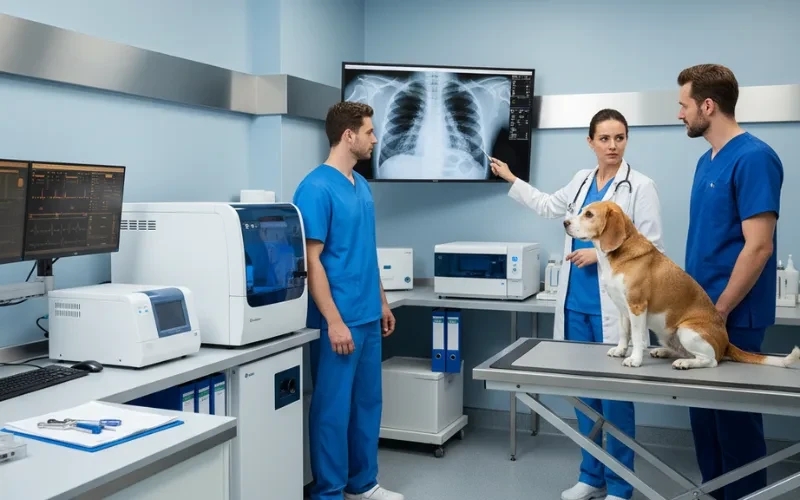
Understanding Veterinary Diagnostics: How Modern Technology Helps Detect Pet Health Problems Early
Veterinary medicine has advanced significantly over the past few decades. Today’s veterinary clinics use modern diagnostic tools and medical technology to detect diseases early and provide more accurate treatment for pets.
Diagnostic testing plays a vital role in maintaining pet health. When a pet shows unusual symptoms or even during routine checkups, diagnostic tools help veterinarians identify the underlying cause quickly.
Understanding how veterinary diagnostics work can help pet owners appreciate the value of these services and the role they play in protecting their pet’s well-being.
What Are Veterinary Diagnostic Services?
Veterinary diagnostics include tests and imaging procedures that help veterinarians evaluate a pet’s internal health.
These tools allow veterinarians to:
- Detect diseases early
- Identify infections
- Evaluate organ function
- Diagnose injuries
- Monitor chronic conditions
Diagnostic technology provides critical insights that cannot be observed through physical examination alone.
Common Signs That Diagnostic Testing May Be Needed
Pets often hide signs of illness. However, certain symptoms may indicate that diagnostic testing is necessary.
Some warning signs include:
- Loss of appetite
- Sudden weight loss
- Vomiting or diarrhea
- Lethargy or weakness
- Difficulty breathing
- Changes in behavior
When these symptoms appear, diagnostic tests help veterinarians determine the cause and choose the best treatment plan.
The Role of In-House Laboratory Testing
Many veterinary clinics offer in-house laboratory testing. This means blood work and other tests can be analyzed quickly without sending samples to an outside lab.
Common in-house tests include:
Blood tests
These tests evaluate organ health, blood cell counts, and signs of infection.
Urine analysis
Urinalysis helps detect kidney disease, urinary tract infections, and metabolic disorders.
Fecal testing
This test identifies intestinal parasites that may affect pets.
In-house laboratory testing allows veterinarians to make faster medical decisions and begin treatment immediately.
Radiology and Diagnostic Imaging
Radiology, commonly known as X-ray imaging, is an essential diagnostic tool used in veterinary medicine.
X-rays allow veterinarians to see inside the body and detect problems such as:
- Broken bones
- Tumors or abnormal growths
- Lung disease
- Heart enlargement
- Foreign objects swallowed by pets
Modern digital radiology provides clear images that help veterinarians diagnose conditions accurately and efficiently.
How Diagnostic Tools Help Prevent Serious Illness
Diagnostic testing is not only used when pets are sick, it is also a powerful preventive tool.
Routine diagnostic screenings can identify early signs of disease before symptoms appear.
For example:
- Blood tests can detect kidney or liver disease early
- Imaging can reveal internal abnormalities
- Lab tests can identify infections quickly
Early detection allows veterinarians to start treatment sooner, improving outcomes and reducing long-term complications.
Diagnostic Monitoring for Chronic Conditions
Pets with chronic illnesses such as diabetes, kidney disease, or heart problems require regular monitoring.
Diagnostic testing helps veterinarians:
- Track disease progression
- Adjust medications
- Evaluate treatment effectiveness
Consistent monitoring ensures pets receive the best possible care and maintain a good quality of life.
Why Technology Is Transforming Veterinary Medicine
Advancements in veterinary technology have significantly improved diagnostic accuracy.
Modern veterinary clinics use equipment such as:
- Digital X-ray systems
- Advanced laboratory analyzers
- Monitoring equipment during anesthesia
- Diagnostic imaging tools
These technologies allow veterinarians to detect health problems earlier and treat them more effectively.
Preparing Your Pet for Diagnostic Tests
Most diagnostic tests are simple and safe for pets. However, veterinarians may recommend certain preparations.
These may include:
- Fasting before blood tests
- Keeping pets calm before imaging
- Providing a urine or stool sample
Your veterinary team will guide you through the preparation process to ensure the best results.
The Benefits of Early Diagnosis
Early diagnosis provides several important benefits:
Better treatment outcomes
Conditions identified early are often easier to treat.
Lower medical costs
Early treatment may prevent more expensive procedures later.
Improved quality of life
Pets can receive care before symptoms become severe.
Longer lifespan
Preventive diagnostics help pets live longer, healthier lives.
Final Thoughts
Veterinary diagnostic services are an essential part of modern pet healthcare. From laboratory testing to digital imaging, these tools allow veterinarians to detect diseases early and provide accurate treatment.
By combining advanced technology with compassionate care, veterinary professionals can protect the health and well-being of pets at every stage of life.
For pet owners, staying proactive about diagnostic testing and routine checkups ensures their beloved companions receive the best care possible.