
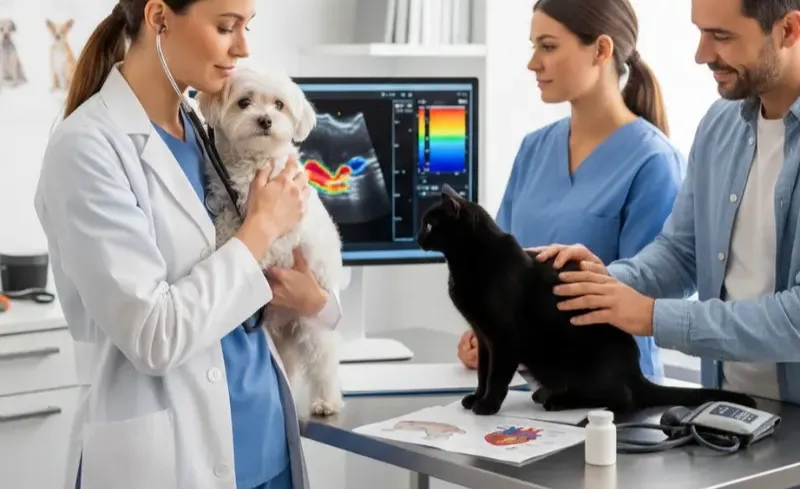
Top 10 Common Pet Health Issues All Dog & Cat Owners Should Know – And How to Prevent Them
Introduction
Pets are beloved family members, but many common health problems can silently affect their well-being. While dogs and cats can’t tell you when something feels off, understanding common conditions and how to prevent them empowers you to protect your pet’s health. This guide breaks down the top 10 health issues, signs to watch for, and how proactive vet care keeps your pet safe and thriving.
🐕 1. Obesity: More Than a Weight Issue
Obesity is one of the most widespread health concerns in pets and a risk factor for diabetes, joint pain, and heart disease. Excess weight stresses joints and organs, reducing mobility and lifespan.
Signs to Watch:
- Difficulty jumping or climbing stairs
- Weight gain despite regular activity
- Panting or fatigue+
Prevention: Balanced diet based on energy needs and regular exercise, tailored by your veterinarian.
🦷 2. Dental Disease: The Hidden Epidemic
Many pets develop periodontal disease by age three if dental health is neglected. This bacterial infection of the gums can lead to pain, tooth loss, and systemic disease.
Signs:
- Bad breath
- Red or bleeding gums
- Difficulty eating
Prevention: Daily brushing, dental chews, and professional cleanings help maintain oral health.
🐛 3. Fleas, Ticks & Parasites: Small Threats, Big Problems
External and internal parasites not only cause itching and discomfort but also transmit diseases like Lyme disease, heartworm, and intestinal infections.
Prevention: Year-round parasite control based on lifestyle and regional risk is essential. Early detection prevents severe infestations.
🐶 4. Canine Parvovirus: A Deadly Threat to Puppies
Canine parvovirus is highly contagious and often fatal without prompt treatment. It primarily affects puppies but can impact any unvaccinated dog.
Symptoms:
- Severe vomiting
- Bloody diarrhea
- Lethargy
Prevention: Timely vaccination protects against parvo and keeps your dog safe from one of the most serious infectious diseases.
🐈 5. Ear Infections (Otitis): A Painful Condition
Common in both dogs and cats, ear infections range from mild irritation to painful inflammation that can affect hearing.
Signs:
- Head shaking
- Ear odor
- Scratching at ears
Prevention: Routine ear cleaning and monitoring help catch infections early before they worsen.
🐕 6. Lameness & Joint Problems
Pets of any age can experience limping due to injury, arthritis, or mechanical stress. While older pets are more susceptible, younger animals can suffer ailments like hip dysplasia or ligament injuries.
Signs:
- Limping
- Difficulty standing up
- Swelling
Prevention: Healthy weight, controlled exercise, and early veterinary assessment can dramatically improve mobility and comfort.
🐱 7. Skin Disorders & Allergies
Skin issues range from allergies to bacterial or fungal infections. Pets with itchy, irritated skin may exhibit visible redness, hair loss, or persistent scratching.
Prevention: Annual wellness checks and diet review help identify triggers early. Allergy testing or tailored diets may be recommended.
🐶 8. Heart Disease in Pets
Heart disease doesn’t only affect humans. In dogs and cats, heart conditions can include valve disease, congestive heart failure, or congenital abnormalities.
Signs:
- Persistent coughing
- Fatigue
- Difficulty breathing
Prevention: Routine exams combined with diagnostic tools like radiographs help detect heart issues before symptoms become severe.
🐈 9. Urinary Tract Conditions
Straining to urinate, frequent accidents, or blood in the urine can indicate infection or stones in the bladder, conditions requiring veterinary care.
Prevention: A balanced diet, regular hydration, and annual exams can help maintain urinary tract health.
🐶 10. Cancer in Pets
Like humans, pets can develop cancers ranging from skin tumors to internal neoplasms like bone cancer. Early detection is key to treatment success.
Signs:
- Lumps or masses
- Unexplained weight loss
- Persistent vigor loss
Prevention: Regular wellness checks enable early detection when cancer is most treatable.
🐾 Knowing When to Seek Immediate Care
Certain symptoms require urgent attention:
- Severe vomiting or diarrhea
- Difficulty breathing
- Sudden limping or paralysis
- Persistent seizures
- Ingestion of toxic foods or substances
If your pet shows these signs, contact your veterinarian promptly.
Conclusion
Understanding common health issues helps you act sooner, not later. Preventive care through regular veterinary visits, personalized vaccination, tailored nutrition, and parasite prevention safeguards your pet’s health and happiness. As your trusted veterinary partner in Delta, BC, Sunshine Hills Veterinary Clinic is here to support your pet at every life stage from playful puppy to graceful senior.